

Our wild mushroom assortment
Discover pristine, handpicked dry medicinal mushrooms harvested directly from untouched forests around Rijeka, Croatia. Every piece is dried naturally with zero cultivation additives or human intervention.
Browse by mushroom variety
Select the ideal wild mushroom for your daily health routine. We harvest exclusively from genuine natural habitats to guarantee maximum potency for herbal teas, decoctions, and restorative tinctures.
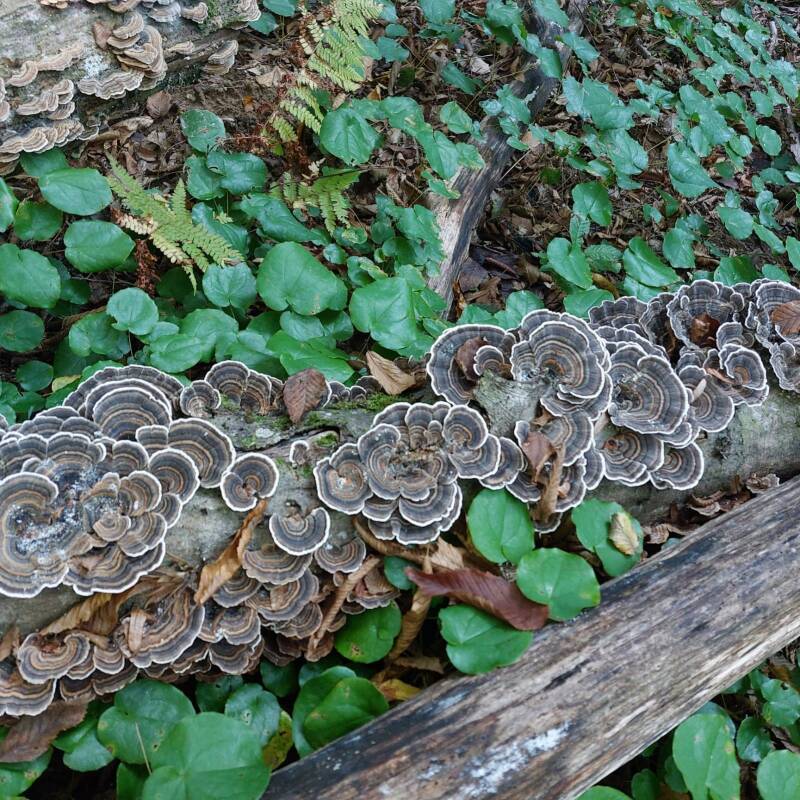
Turkey tail materia medica (Trametes versicolor)
Botanical name: Trametes versicolor (syn. Coriolus versicolor)
Common names: Turkey tail, cloud mushroom, yun zhi, kawaratake
Family: Polyporaceae
Part used: Fruiting body
Organoleptic profile & energetics: Sweet, slightly bitter, mildly cool to neutral, and gently moistening. In Traditional Chinese Medicine, it enters the Spleen, Stomach, and Lung meridians, functioning to tonify Qi, clear heat, remove toxins, and transform dampness.
Primary constituents: Rich in bioactive polysaccharides, notably β-glucans (beta-1,3 and beta-1,6-glucans), protein-bound polysaccharides PSK (polysaccharide Krestin) and PSP (polysaccharide peptide), phenolic compounds, triterpenes, and prebiotic dietary fibers.
Therapeutic actions: Immunomodulator, biological response modifier, antioxidant, prebiotic, hepatoprotective, antiviral, and general restorative tonic.
Clinical indications: Broad-spectrum immune support, post-illness debility, adjunct care during chronic systemic stress, gut microbiome restoration, and liver tonification. PSK and PSP have extensive documentation in integrative clinical settings for supporting cellular health and natural killer (NK) cell activity.
Dosage & preparation: Simmer 3 to 10 grams of dried wild fruiting body in water for 45 to 60 minutes as a medicinal decoction (consumed 1–2 times daily). For dual-extracted tinctures (water and alcohol), standard dosing is 2 to 4 mL up to twice daily.
Safety & contraindications: Generally well-tolerated. Individuals with mushroom allergies should avoid use. Caution is advised for individuals on immunosuppressant medications or undergoing anticoagulation therapy.
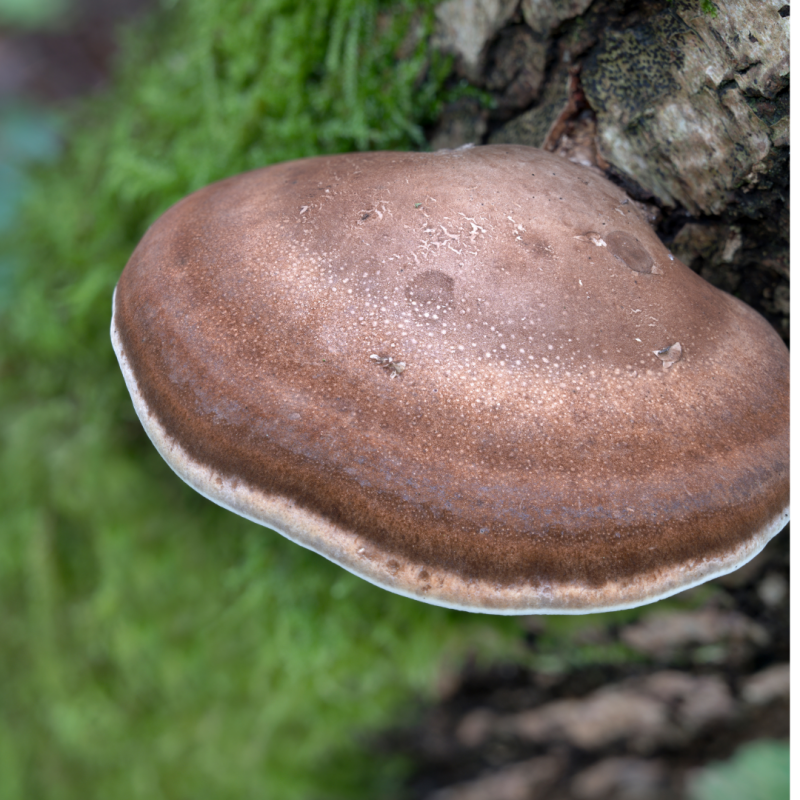
Birch polypore materia medica (Fomitopsis betulina)
Botanical name: Fomitopsis betulina (formerly Piptoporus betulinus)
Common names: Birch polypore, razor strop fungus, birch bracket
Family: Fomitopsidaceae
Part used: Dried fruiting body
Organoleptic profile & energetics: Distinctly bitter, astringent, cooling, and drying. Traditionally valued for clearing internal heat, resolving stagnation, and tightening mucous membranes.
Primary constituents: Rich in betulin and betulinic acid (derived from the birch host), polyporenic acids (A, B, and C), triterpenoids, polysaccharides (including beta-glucans), piptamine (a potent natural antibiotic), and essential fatty acids.
Therapeutic actions: Antimicrobial, antiparasitic, anti-inflammatory, immunomodulatory, astringent, styptic, and supportive tonic.
Clinical indications: Historically famously carried by Ötzi the Iceman for intestinal parasites and immune resilience. Indicated for digestive dysbiosis, bacterial imbalances, mucosal inflammation, wound care (topical styptic), and seasonal immune debility.
Dosage & preparation: Decoction: simmer 3 to 5 grams of chopped dried polypore in water for 45 to 60 minutes; consume 1 cup daily (often balanced with honey due to strong bitterness). Tincture: dual-extracted liquid at 1 to 3 mL up to twice daily.
Safety & contraindications: Safe for most adults when used appropriately. Due to pronounced astringency and bitterness, excessive intake may cause mild gastric irritation. Avoid during pregnancy, breastfeeding, or known mushroom allergies.
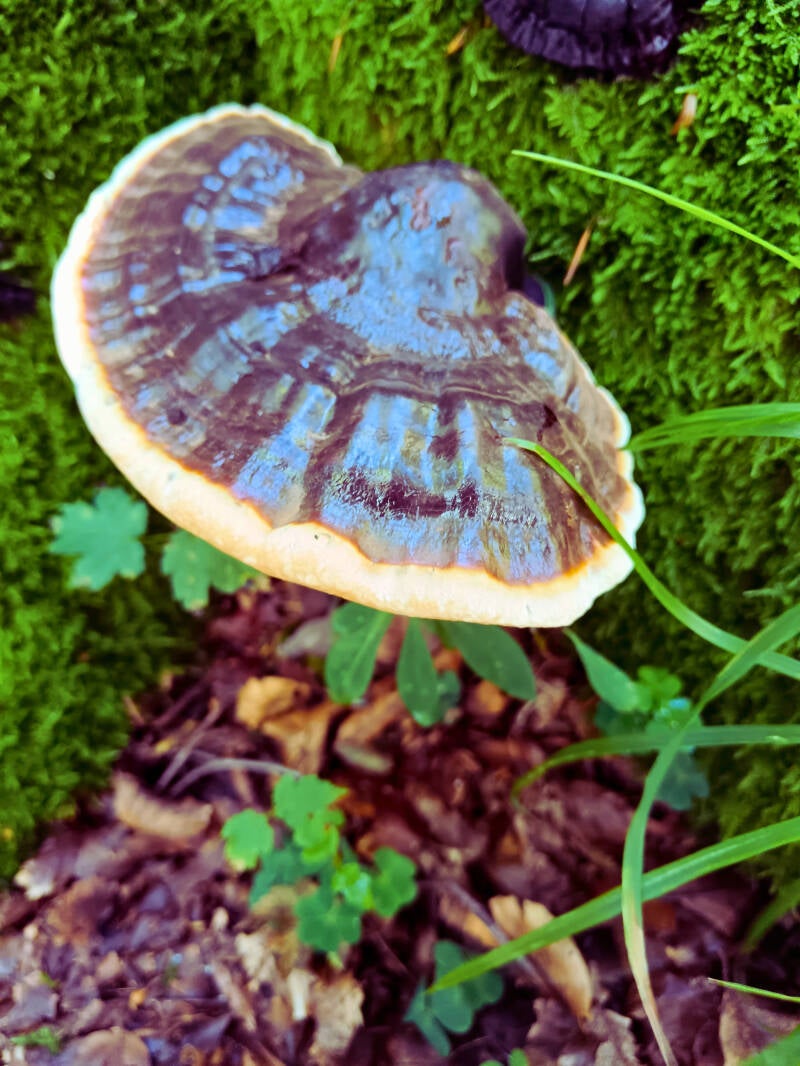
Reishi materia medica (Ganoderma lucidum)
Botanical name: Ganoderma lucidum (sensu lato)
Common names: Reishi, lingzhi, mushroom of immortality, varnished conk
Family: Ganodermataceae
Part used: Dried mature fruiting body
Organoleptic profile & energetics: Bitter, earthy, neutral to mildly warm. In Traditional Chinese Medicine, it enters the Heart, Liver, and Lung meridians, functioning to nourish the Heart, calm the Shen (spirit), tonify Qi, and bolster vital essence.
Primary constituents: Over 400 bioactive compounds, including oxygenated triterpenoids (ganoderic, lucidenic, and ganodermic acids), water-soluble β-D-glucans and heteropolysaccharides, peptidoglycans, sterols (ergosterol), adenosine, and organic germanium.
Therapeutic actions: Adaptogen, immunomodulator, nervine relaxant, hepatoprotective, cardiovascular tonic, antioxidant, and anti-allergic modulator.
Clinical indications: Chronic nervous tension, insomnia, restless mind, immune fatigue, seasonal allergic reactivity, liver congestion, and cardiovascular support (helping balance healthy blood pressure and lipid metabolism).
Dosage & preparation: Simmer 3 to 10 grams of sliced dried wild reishi in water for 45 to 90 minutes for a grounding medicinal decoction, taken once or twice daily. For dual-extracted tinctures, take 2 to 4 mL up to twice daily.
Safety & contraindications: Extremely safe for long-term tonic use. Exercise caution if taking anticoagulant therapies or immunosuppressive drugs, or prior to scheduled surgery. Avoid in cases of known mushroom allergy.
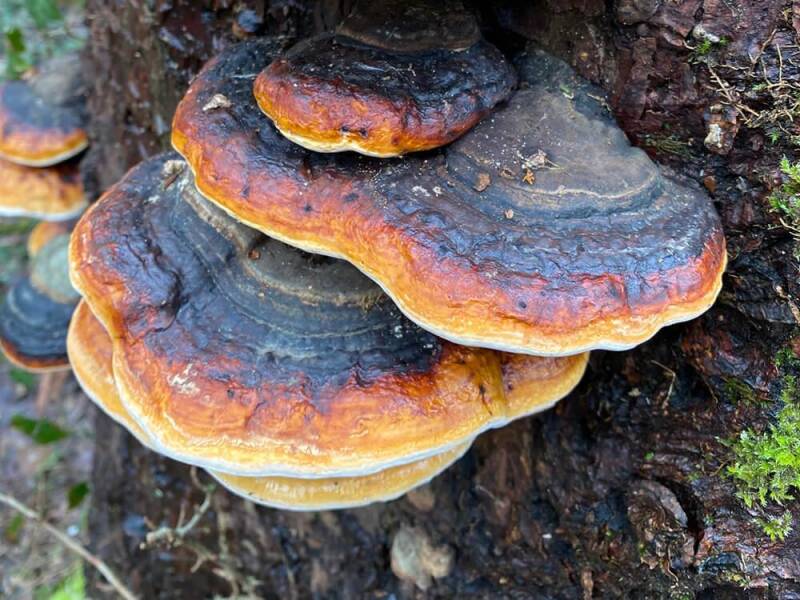
Red belted polypore materia medica (Fomitopsis pinicola)
Botanical name: Fomitopsis pinicola (sensu lato)
Common names: Red belted polypore, red-belted conk, pine polypore
Family: Fomitopsidaceae
Part used: Dried woody fruiting body
Organoleptic profile & energetics: Bitter, acrid, mildly astringent, cooling, and drying. Energetically, it clears systemic heat, resolves damp stagnation, and restores balance to overactive inflammatory pathways.
Primary constituents: Dense in lanostane-type triterpenoids (pinicolic and trametenolic acids), bitter triterpenes, β-glucans and complex polysaccharides, sterols (ergosterol), and natural styptic resins.
Therapeutic actions: Anti-inflammatory, immunomodulator, gastrointestinal tonic, antimicrobial, styptic, antioxidant, and emetic/purgative in exceptionally high doses.
Clinical indications: Traditionally relied upon in European and Native American herbalism for soothing chronic digestive inflammation, gastritis, acid indigestion, and diarrhea. Valued as an everyday immune regulator, topical styptic for superficial bleeding, and supportive adaptogenic tonic for systemic inflammatory discomfort.
Dosage & preparation: Simmer 3 to 5 grams of dried, chipped conk in water for 45 to 60 minutes as a decoction, taken up to twice daily. For a dual-extracted tincture (alcohol and hot water), take 1 to 2 mL up to twice daily.
Safety & contraindications: Safe in modest doses. High doses can cause mild nausea or loose stools due to strong bitter resins. Avoid during pregnancy, breastfeeding, or if allergic to polypore fungi.
Pure forest origin, zero compromises
Unlike mass-farmed mushrooms grown on artificial substrates, our harvest develops naturally across wild Croatian woodlands. Slow natural growth produces the dense bio-compounds needed for high-potency teas and extracts.
Simple preparation for teas and tinctures
Using our dry mushrooms is straightforward and rewarding. Simmer gently in pure spring water for twenty to thirty minutes for a rich daily tonic, or steep in high-proof spirits for six to eight weeks to make concentrated home tinctures.
